Empowering Lives: Unlocking the Secrets to Cancer Awareness and Effective Treatment
Navigating the intricate world of cancer can feel like wandering through a dense fog, leaving many overwhelmed and unsure about what lies ahead. Yet, amidst the uncertainty, there's a beacon of hope shed by oncologists and cancer experts who are dedicated to illuminating the path toward better cancer awareness and effective treatment. It's crucial to engage with these professionals who are on the frontline of cancer research and therapy, armed with insights and knowledge that can make all the difference. So, what can we learn from their expertise?
Every day, oncologists witness the impact of cancer on patients and families. The stories they hear are deeply moving and often serve as a powerful reminder of why cancer awareness is so critical. For instance, consider the story of Sarah, a devoted mother diagnosed with breast cancer. With early detection and a robust support system, she not only fought the disease but became an advocate for cancer prevention in her community. Her journey underscores the importance of not just engaging with oncologists for cancer treatment but actively participating in cancer support groups that foster encouragement and strength during tough times. As Sarah says, 'My battle became our mission.' Isn't it fascinating how one person’s struggle can inspire a collective movement?
One cannot talk about oncology without mentioning the spectrum of cancer types, from lung and colorectal to skin cancer. Each has its unique set of risk factors, symptoms, and treatment protocols. What’s even more intriguing is the evolving nature of cancer therapies that oncologists continuously refine through clinical trials and research. This is particularly evident in the promising advancements in immunotherapy and personalized medicine, which have revolutionized cancer treatment, offering tailored approaches based on an individual's specific tumors and genetics. Have you explored how such innovations could affect your understanding of cancer diagnosis and what to expect in terms of treatment for various cancer types?
Nutrition for cancer patients plays an equally vital role in promoting survivorship and enhancing mental health. What we consume can impact our body’s resilience against the disease and the effectiveness of treatment. Incorporating a balanced diet not only fuels the body but can be a therapeutic agent in itself, improving outcomes for patients undergoing rigorous cancer therapies. Incorporating cancer prevention tactics, informed by the advice of oncologists, may also provide essential tools for reducing high-risk factors associated with certain cancers. How are you prioritizing nutrition in your health regimen?
Lastly, palliative care and holistic cancer care are essential components that often get overlooked. It's about treating the whole person and not just the cancer—addressing the emotional, psychological, and spiritual needs that accompany a cancer diagnosis. As someone once said, 'Cancer is a journey not a destination.' By embracing a comprehensive approach to cancer support, we cultivate a community of healing, understanding, and strength. The journey may be long, but with the right guidance and resources, such as patient advocacy and support groups, it can lead to profound discoveries about resilience and hope. What steps can you take today to empower yourself or a loved one in navigating this complex world of cancer?
Empowering Patients: The Role of Advocacy and Support Groups in Cancer Care
In the journey of cancer treatment, patients often find themselves navigating a labyrinth of emotions, medical jargon, and an overwhelming amount of information. But what if I told you that there’s a light at the end of this tunnel? That light often comes in the form of advocacy and support groups, shining brightly as a beacon of hope. These groups play an integral role in cancer care, empowering patients and helping them reclaim their narrative in the face of daunting oncological challenges. Together, let's explore how cancer awareness, patient advocacy, and strong support networks can transform cancer care from a solitary struggle to a unified fight against this pervasive disease.
Imagine standing on the cusp of a diagnosis, feeling like you're on an island in the midst of a storm. This is where the power of cancer support groups comes into play. They are like lifeboats, offering crucial resources and emotional buoyancy to those sailing through treacherous waters. By connecting patients with people who understand what they’re going through, these groups foster an environment ripe for sharing experiences related to various cancers—be it lung cancer, breast cancer, or colorectal cancer. And as patients hear stories of survival, they begin to realize they are not alone on this journey. As Helen Keller once said, 'Alone we can do so little; together we can do so much.'
Engaging in discussions with others who have faced the same daunting cancer diagnosis can significantly influence one's mental health and approach to treatment. Support groups provide the platform for individuals to share insights regarding cancer symptoms, treatment options, and nutrition for cancer. These conversations are not merely about exchanging stories; they are portals to valuable cancer research insights and potential advancements, including innovative cancer therapies and clinical trials that may lie ahead. Advocating for oneself often becomes a collaborative effort aided by moral support—someone believing in you can make all the difference when exploring palliative care or holistic cancer care options.
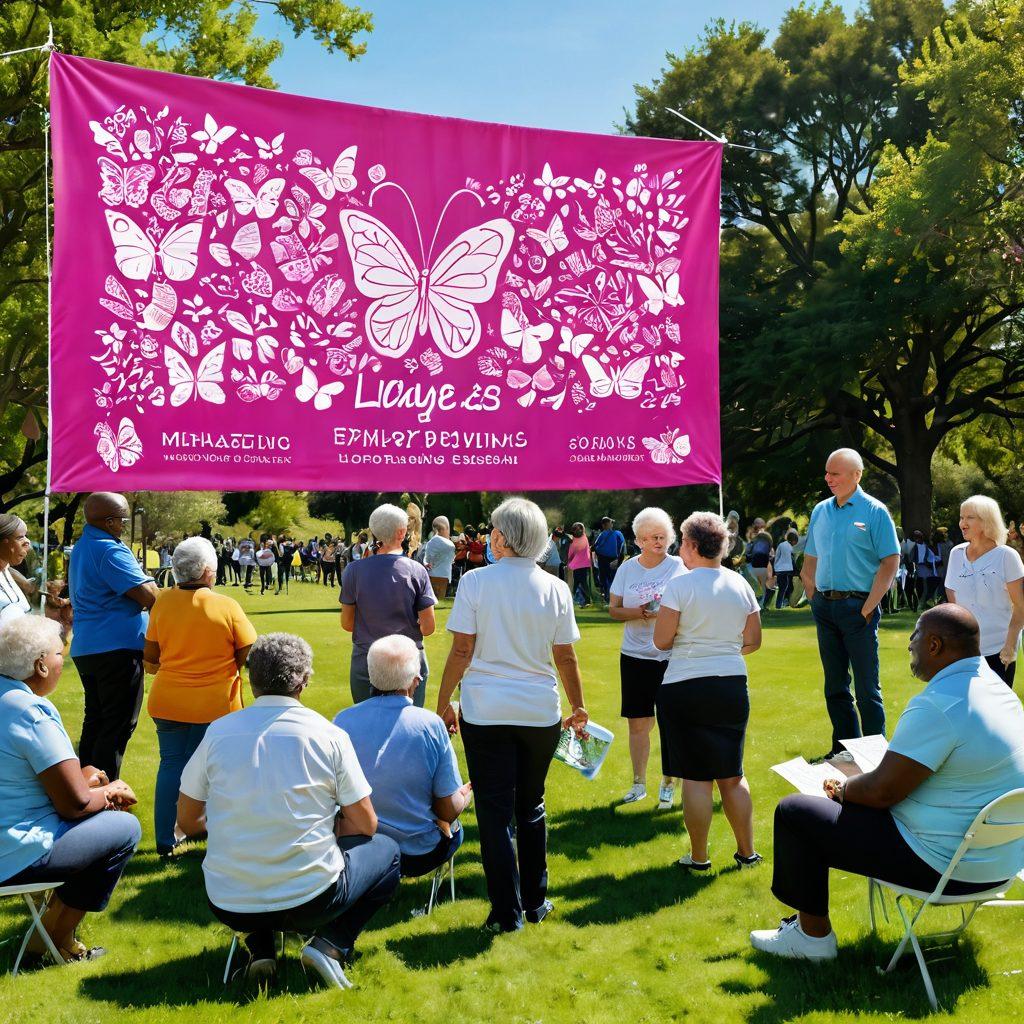
The essence of patient advocacy cannot be overstated. A dedicated advocate can help guide a patient through relentless doctors' appointments, often acting as a translator for complex oncology terms. This advocacy extends beyond the clinical realm; it includes raising cancer awareness in local communities, igniting the flame for cancer prevention initiatives, and ensuring that valuable resources are available for those impacted by cancer. Whether it’s organizing awareness campaigns or participating in fundraising events, the activation of patient advocates can touch lives far beyond the individual level. Are you passionate about a particular type of cancer? Your voice and activism might just be what the community needs to rally support and understand more about cancer diagnosis and survivorship.
Lastly, consider this: how often do we stop to recognize the importance of nutrition in the cancer treatment process? Advocates within support groups passionately share tips and guiding principles that link healthy eating habits to recovery. Nutrition for cancer is about more than just physical well-being; it’s about nurturing the soul and mental health, contributing to an overall feeling of empowerment during treatment. The journey through cancer care is undoubtedly individualistic, yet the connection forged through support harnesses the collective energy needed to fight and thrive. So, ask yourself, how can you be part of this movement? Whether as a patient, a survivor, or a supporter, there’s always a role waiting for you to play in this essential narrative of advocacy and solidarity.
Holistic Approaches to Cancer Treatment: Nutrition, Mental Health, and Survivorship Strategies
Imagine a world where cancer is not just a medical diagnosis, but a challenge that can be met with a holistic arsenal of tools. What if the path to recovery involves more than just chemotherapy and radiation? As cancer awareness grows and more patients seek alternatives alongside traditional oncology, we find ourselves at the crossroads of medicine and holistic healing. Join us as we dive into the captivating realm of holistic approaches to cancer treatment, focusing on some essential elements: nutrition, mental health, and survivorship strategies.
Nutrition for cancer plays a crucial role in the healing journey. Picture this: you're sitting around a table with a group of friends, enjoying a vibrant meal composed of colorful vegetables, lean proteins, and wholesome grains. These foods aren't just for satisfying hunger; they serve as powerful allies in your fight against cancer. Studies in cancer research have shown that proper nutrition can enhance the efficacy of cancer therapies, improve recovery times, and even bolster the immune system. As you engage in this delightful feast, consider how small, nutritious choices can empower yourself or a loved one dealing with breast cancer, lung cancer, or colorectal cancer.
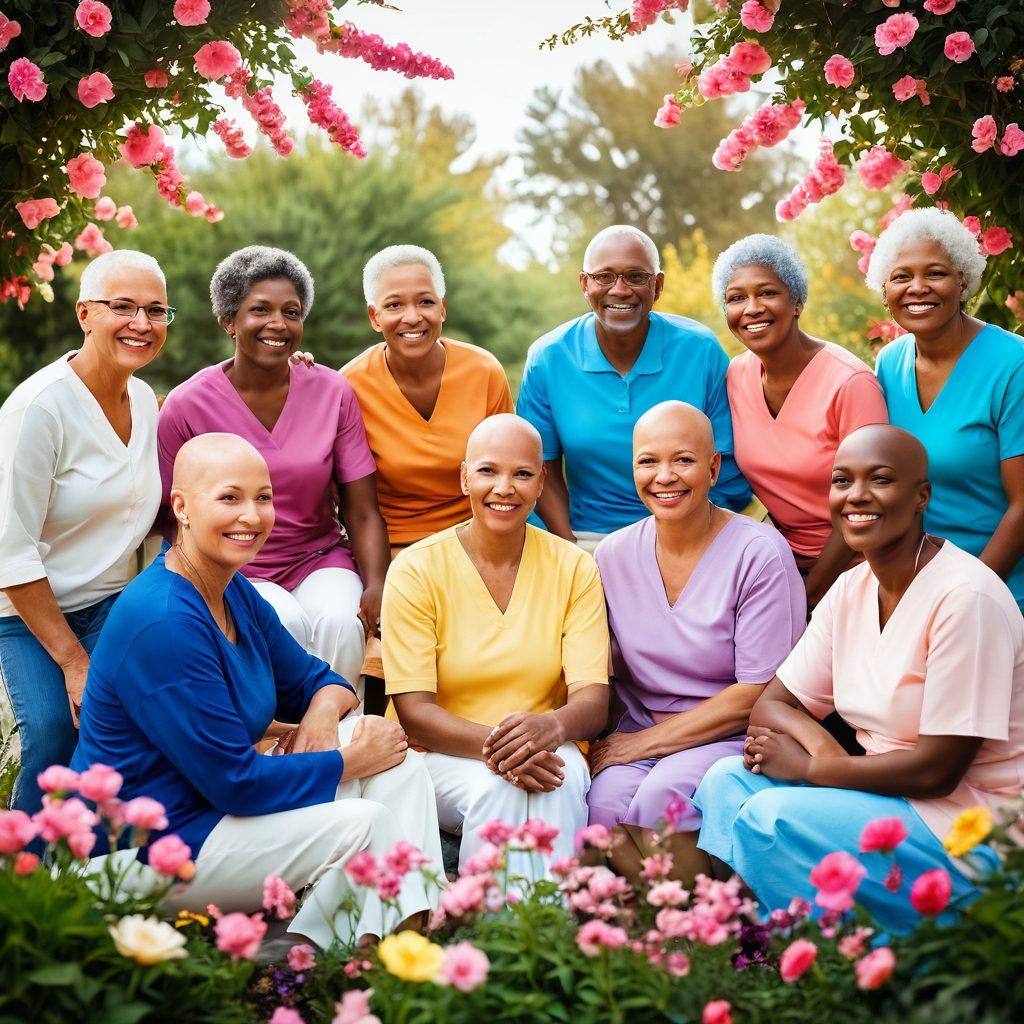
But let’s not forget the importance of mental health. The emotional strain that comes with a cancer diagnosis can be overwhelming. How can you nurture your mind during this tumultuous journey? Strengthening one’s mental resilience becomes key. Strategies may include mindfulness practices, meditation, or simply sharing your load with cancer support groups. These groups not only provide a network of empathy and understanding but also serve as hotbeds for patient advocacy, where experiences and wisdom are shared. After all, ‘We are stronger together,’ isn’t just a catchy phrase; it’s a powerful truth, especially when facing skin cancer or any other form of cancer.
Survivorship is another vital aspect of holistic cancer care that often doesn’t get enough spotlight. One intriguing question to ponder is: What happens after treatment? The period of survivorship is when individuals can thrive, rather than just survive, by implementing lifestyle changes that promote well-being and overall health. These changes may include regular exercise, balanced nutrition, and fostering relationships that encourage emotional and mental stability. The focus on palliative care goes hand-in-hand with survivorship, making sure that patients can enjoy life to the fullest, even after a cancer diagnosis.
In summary, a holistic approach to cancer treatment opens doors for those in the fight against this disease. With the integration of nutrition, mental wellness, and an active survivorship, not only can cancer symptoms potentially be managed better, but patients can also lead enriched lives. As we continue to evolve in our understanding of oncology, the question remains: Are you ready to unlock these secrets and advocate for a more comprehensive perspective on cancer care? Let’s make cancer care not only about treatment but about thriving in all aspects of life!